
Shepard Fairey: From underground to mainstream, a committed and iconic artist
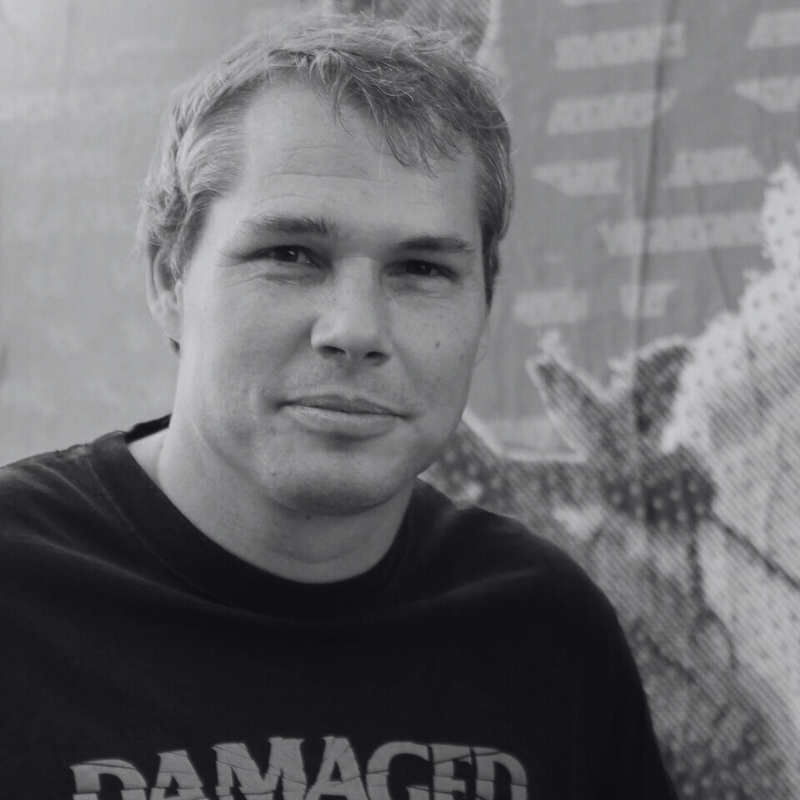
Frank Shepard Fairey, better known under his artist name Shepard Fairey, is a world-renowned American artist, graphic designer and activist. Born on 15 February 1970 in Charleston, South Carolina, he has become one of the most influential and recognisable figures in contemporary art, not least for his distinctive style and his political and social messages.
The beginnings and emergence of Obey Giant :
Fairey's artistic career began unexpectedly in 1989 when he was a student at the Rhode Island School of Design (RISD). Inspired by his teacher, he created a sticker featuring André the Giant, a professional wrestling icon, with the enigmatic inscription «ANDRE THE GIANT HAS A POSSE». This simple sticker was widely distributed in public spaces and quickly became a viral phenomenon, attracting attention and curiosity.
Faced with the proliferation of these stickers and the questions they raised, Fairey deliberately adapted his message to form the « OBEY GIANT »(Obey the Giant). This project was not an adoration of André, but rather an experiment in the phenomenology and power of the image. Fairey wanted to raise awareness of the omnipresence of brands and visual propaganda in our daily lives, encouraging people to «obey» an absurd image in order to question other forms of authority and persuasion. This project, which began as a simple game, has become the cornerstone of his artistic philosophy.
A recognisable style and powerful messages:
Shepard Fairey's artistic style is instantly recognisable. It is characterised by :
- Solid colours in bright contrasts, often red, black and white. - Geometric patterns and bold typography.
- An aesthetic inspired by political propaganda, Soviet-era posters, advertising and punk rock culture.
- Frequent use of stylised portraits, The world's best-known and most famous figures. - A constant concern for visual impact and mass reproduction.
Beyond aesthetics, Fairey is a deeply committed artist. His works tackle a wide range of themes, including :
- Social justice: equality, civil rights and the fight against discrimination. - Politics and power: criticism of consumerism, corruption and surveillance, and a call for citizen participation.
- The environment : raising awareness of environmental issues and promoting sustainable lifestyles.
- Peace and anti-war.
"Hope" and worldwide acclaim:
It was in 2008 that Shepard Fairey shot to worldwide fame with his iconic « HOPE« created to support Barack Obama's presidential campaign. This stylised portrait of Obama, in red, white and blue, has become a powerful symbol of hope and hope for the future.
change, and contributed significantly to the campaign's visibility and success. The work is now in the National Portrait Gallery in Washington D.C.
Art as a tool for change :
In addition to his murals, posters and silkscreens, Fairey founded the design company Studio Number One and the clothing brand OBEY Clothing, He has also designed album covers for artists such as Black Eyed Peas, Led Zeppelin and Anthrax. He has also designed album covers for artists such as Black Eyed Peas, Led Zeppelin and Anthrax.
Shepard Fairey has often faced controversy, not least because of his methods of disseminating works in public spaces (often described as vandalism) and his inspiration, which is sometimes very close to pre-existing images, which has raised questions of copyright. However, these controversies have only served to accentuate his status as a relevant and provocative artist.
Heritage and influence :
Today, Shepard Fairey is a respected and sought-after artist whose work is exhibited in major museums and galleries around the world. He continues to create, innovate and use his art as a means of commenting on the world and encouraging reflection. His career, from anonymous sticker to global icon, is a testament to the power of engaged art and the ability of an individual to transform public space into a gallery of ideas. Shepard Fairey remains a major figure in urban art and artistic activism, whose influence continues to shape contemporary visual culture.
Shepard Fairey: From underground to mainstream, a committed and iconic artist
Frank Shepard Fairey, better known under his artist name Shepard Fairey, is a world-renowned American artist, graphic designer and activist. Born on 15 February 1970 in Charleston, South Carolina, he has become one of the most influential and recognisable figures in contemporary art, not least for his distinctive style and his political and social messages.
The beginnings and emergence of Obey Giant :
Fairey's artistic career began unexpectedly in 1989 when he was a student at the Rhode Island School of Design (RISD). Inspired by his teacher, he created a sticker featuring André the Giant, a professional wrestling icon, with the enigmatic inscription «ANDRE THE GIANT HAS A POSSE». This simple sticker was widely distributed in public spaces and quickly became a viral phenomenon, attracting attention and curiosity.
Faced with the proliferation of these stickers and the questions they raised, Fairey deliberately adapted his message to form the « OBEY GIANT »(Obey the Giant). This project was not an adoration of André, but rather an experiment in the phenomenology and power of the image. Fairey wanted to raise awareness of the omnipresence of brands and visual propaganda in our daily lives, encouraging people to «obey» an absurd image in order to question other forms of authority and persuasion. This project, which began as a simple game, has become the cornerstone of his artistic philosophy.
A recognisable style and powerful messages:
Shepard Fairey's artistic style is instantly recognisable. It is characterised by :
- Solid colours in bright contrasts, often red, black and white. - Geometric patterns and bold typography.
- An aesthetic inspired by political propaganda, Soviet-era posters, advertising and punk rock culture.
- Frequent use of stylised portraits, The world's best-known and most famous figures. - A constant concern for visual impact and mass reproduction.
Beyond aesthetics, Fairey is a deeply committed artist. His works tackle a wide range of themes, including :
- Social justice: equality, civil rights and the fight against discrimination. - Politics and power: criticism of consumerism, corruption and surveillance, and a call for citizen participation.
- The environment : raising awareness of environmental issues and promoting sustainable lifestyles.
- Peace and anti-war.
"Hope" and worldwide acclaim:
It was in 2008 that Shepard Fairey shot to worldwide fame with his iconic « HOPE« created to support Barack Obama's presidential campaign. This stylised portrait of Obama, in red, white and blue, has become a powerful symbol of hope and hope for the future.
change, and contributed significantly to the campaign's visibility and success. The work is now in the National Portrait Gallery in Washington D.C.
Art as a tool for change :
In addition to his murals, posters and silkscreens, Fairey founded the design company Studio Number One and the clothing brand OBEY Clothing, He has also designed album covers for artists such as Black Eyed Peas, Led Zeppelin and Anthrax. He has also designed album covers for artists such as Black Eyed Peas, Led Zeppelin and Anthrax.
Shepard Fairey has often faced controversy, not least because of his methods of disseminating works in public spaces (often described as vandalism) and his inspiration, which is sometimes very close to pre-existing images, which has raised questions of copyright. However, these controversies have only served to accentuate his status as a relevant and provocative artist.
Heritage and influence :
Today, Shepard Fairey is a respected and sought-after artist whose work is exhibited in major museums and galleries around the world. He continues to create, innovate and use his art as a means of commenting on the world and encouraging reflection. His career, from anonymous sticker to global icon, is a testament to the power of engaged art and the ability of an individual to transform public space into a gallery of ideas. Shepard Fairey remains a major figure in urban art and artistic activism, whose influence continues to shape contemporary visual culture.
 French
  English